
The Maldives is one of those places that lives rent-free in your imagination long before you ever book a flight. Overwater villas. Turquoise lagoons so clear they look photoshopped. Breakfast floating in a pool while the Indian Ocean stretches endlessly in front of you.
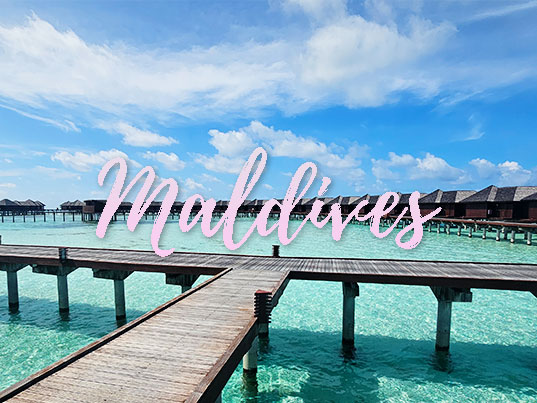
But once the Instagram filters fade and the credit card statements arrive, a different question starts to surface:
Is the Maldives really worth it—or just beautifully marketed?
After visiting the Maldives ourselves, here’s the honest breakdown: the real costs, the hidden fees no one talks about, and the things we wish we knew before going.
The Dream vs. the Reality
Let’s be clear about one thing: the Maldives is undeniably beautiful. The beaches are some of the whitest we’ve ever seen, the water is unreal in person, and the sense of isolation is unmatched.
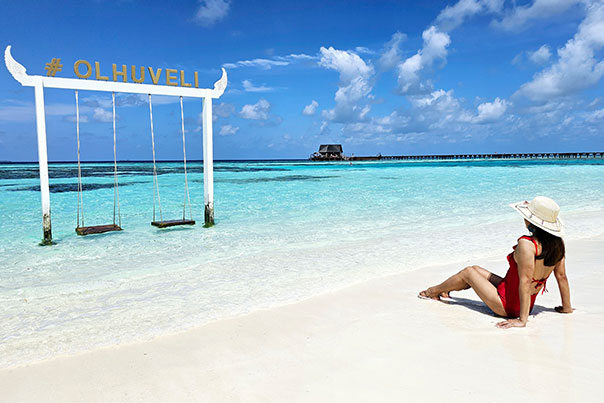
But the Maldives isn’t a traditional travel destination—it’s a controlled luxury experience, and that comes with trade-offs that many travelers don’t realize until they’re already there.
The Real Cost of Going to the Maldives
Most people underestimate the total price because they focus only on flights and hotel rates. That’s just the beginning.
1. Flights: Just Getting There Isn’t Cheap
Roundtrip international flights to Malé can range widely depending on where you’re coming from, but for most travelers, it’s already a significant expense. And after landing in Malé, you’re not “there” yet.

2. Transfers: The First Hidden Shock
This is where many first-time visitors get caught off guard.
Most resorts are located on private islands, meaning you’ll need one of the following:
Speedboat transfer
Domestic flight + speedboat
Seaplane transfer
Seaplanes are the most iconic—and the most expensive. It’s not uncommon to pay hundreds of dollars per person, roundtrip, and this cost is often not included in the initial room price you see online.
One of the biggest misconceptions is thinking your luxury resort price includes transportation. In many cases, it doesn’t.
Accommodation: Paradise Comes at a Premium
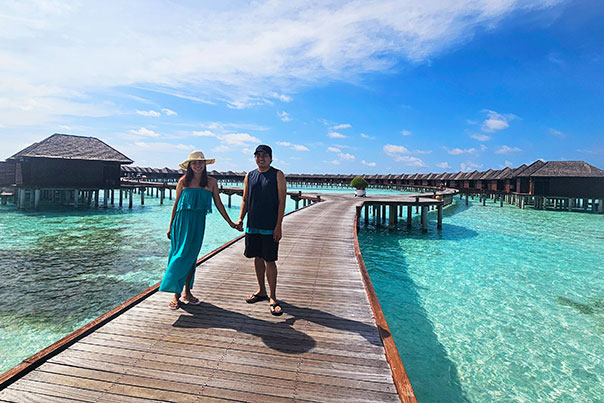
Yes, the overwater villas are stunning. Waking up with the ocean beneath you feels surreal. But that experience comes with a steep price tag.
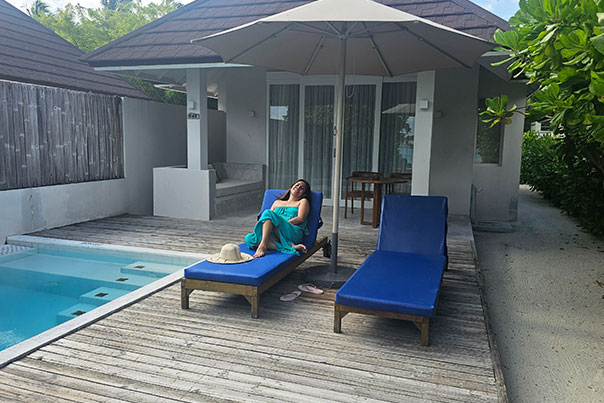
Entry-level beachfront villas are cheaper but still expensive by global standards
Overwater villas can easily double or triple the nightly rate
Taxes and service charges (often 20%+) are added on top
And unlike other destinations, there’s very little flexibility. You can’t just “walk next door” to a cheaper hotel once you’re on a private island.
Food Costs: The Most Underestimated Expense
This is where budgets truly unravel.
Most Maldives resorts operate on a captive model:
No nearby restaurants
No food delivery
No casual street food options
Meals are entirely resort-based—and priced accordingly.

What This Means in Reality
A simple lunch can cost as much as a nice dinner elsewhere in the world
Alcohol is extremely expensive due to import taxes
Even bottled water may come with a charge, depending on the resort
Meal plans (half board, full board, or all-inclusive) can help, but they significantly increase the upfront cost. Still, for many travelers, they’re the only way to control spending.
Hidden Fees That Add Up Quickly
Beyond transfers and food, there are smaller charges that quietly inflate your final bill:
Mandatory green taxes per night
Service charges on almost everything
Excursions are priced far higher than expected
Snorkeling or activity fees, even in a “nature” destination
None of these individually feels outrageous—but together, they can add hundreds or even thousands to your trip.
What No One Really Tells You
1. You’re Paying for Isolation, Not Variety
The Maldives excels at one thing: doing nothing beautifully.
If you love slow mornings, swimming, snorkeling, and sunset watching, you’ll be in heaven. But if you enjoy:
Exploring cities
Trying local food
Cultural immersion
Spontaneous plans
You may feel restless after a few days.
Once you’re on a resort island, that’s your world.

2. Local Culture Is Largely Invisible
Unless you stay on a local island, interaction with Maldivian culture is minimal. Resorts are self-contained bubbles designed for comfort, not cultural depth.
This isn’t necessarily bad—but it’s something travelers rarely mention in glowing reviews.
3. The Maldives Is Incredible… but Briefly
For many travelers, the Maldives is best enjoyed in short doses.
Three to five nights often feel perfect. Beyond that, the experience can start to feel repetitive—especially given the cost per day.
So, Is the Maldives Worth It?
The honest answer: it depends on what you value.
The Maldives is worth it if:
You’re celebrating a honeymoon or milestone
You want pure relaxation and privacy
You’re comfortable with high, predictable costs
You value scenery over activities
The Maldives may not be worth it if:
You’re budget-conscious
You enjoy fast-paced or culturally rich travel
You want flexibility and freedom
You expect variety in food and activities
Our Final Take
The Maldives delivers exactly what it promises—visual perfection and serene luxury. But it also demands that you understand the full financial picture upfront.
It’s not a place to “figure things out as you go.” It’s a destination where planning, budgeting, and expectations matter more than almost anywhere else we’ve traveled.
For the right traveler, the Maldives can feel like a once-in-a-lifetime dream. For others, the same budget might unlock weeks of richer, more diverse experiences elsewhere.
And that’s the part no one tells you.
Learn more about the Maldives from its official tourism website
You may also like:
How Much Does a Kenya Safari Really Cost?
21 Days in Europe Visiting 9 Countries
Your First Week in Japan: A Thoughtful 7-Day Travel Plan
Vietnam vs Thailand: Which One Is REALLY Better for Your First Trip to Asia?