
For our first trip to Japan, we wanted an itinerary that felt meaningful rather than rushed. Instead of hopping between too many cities, we focused on a route that combined historic landmarks, cultural experiences, theme parks, and modern attractions—all within one week.

We started our journey in Nagoya, continued to the Kansai region via bullet train, and ended the trip in Tokyo after an overnight bus ride. Looking back, this travel plan gave us a well-rounded introduction to Japan without feeling overwhelmed.
If you’re visiting Japan for the first time and want a realistic and thoughtful 7-day travel plan, this itinerary may help you plan your own journey.
Day 1: Arrival in Nagoya and Visit to Nagoya Castle
We began our Japan trip in Nagoya, a city often overlooked by first-time visitors but well worth a stop.

Our main destination was Nagoya Castle, known for its impressive size and iconic golden shachihoko roof ornaments. Walking around the castle grounds gave us our first glimpse of Japan’s feudal history and architectural style. It was a relaxed way to ease into the country without the crowds you’d typically find in Tokyo or Kyoto.
Starting in Nagoya also made sense logistically, as it’s well connected by Japan’s high-speed rail network.
Day 2: Bullet Train to Kansai and Kyoto’s Iconic Temples
The next day, we took the Shinkansen (bullet train) to the Kansai area. Riding the bullet train for the first time is an experience on its own—fast, smooth, and incredibly efficient.

Our first stops in Kyoto were two of its most famous landmarks:
Kinkaku-ji (Golden Pavilion) – The gold-covered temple reflecting on the pond is just as breathtaking in person as it is in photos.
Kiyomizu-dera – Perched on wooden pillars, this temple offers beautiful views of Kyoto and a strong sense of history.
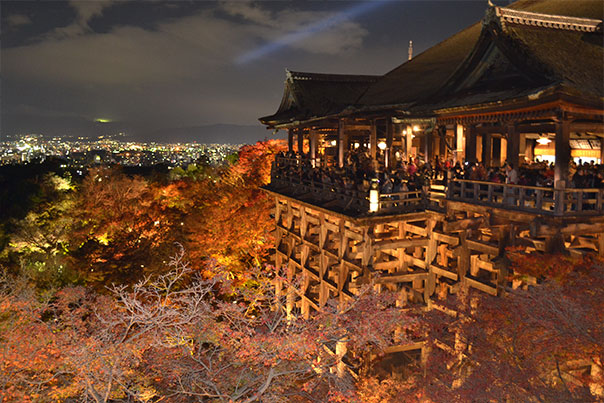
These sites immediately set the tone for our Kansai exploration.
Day 3: Arashiyama, Kimono Forest, and Fushimi Inari
Day three was one of our busiest but also one of the most memorable days.
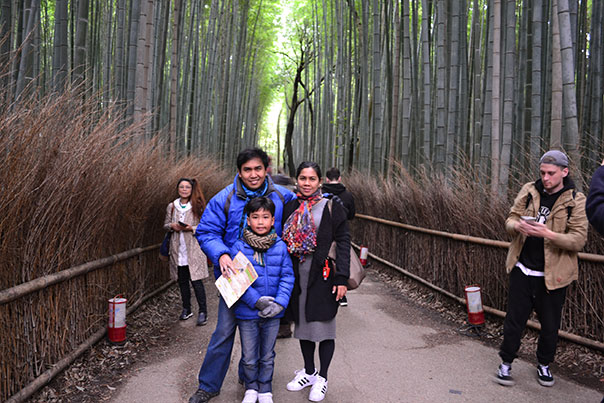
We started in Arashiyama, walking through the Bamboo Grove early in the day before the crowds arrived. Nearby, we visited the Kimono Forest, where colorful textile pillars line a quiet street near the train station—a small but charming stop that’s easy to miss.

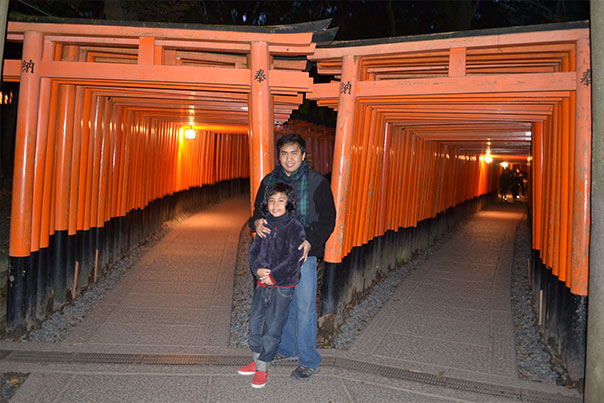
Later in the day, we headed to Fushimi Inari Taisha, famous for its thousands of torii gates stretching up the mountain. Walking through the gates as the light slowly changed felt peaceful despite the number of visitors.
Day 4: Toei Kyoto Studio Park and Nara Park
This day combined entertainment and nature.
We spent part of the morning at Toei Kyoto Studio Park, a theme park built around traditional Japanese film sets. It was fun, interactive, and offered a different perspective on Japan’s samurai-era storytelling.

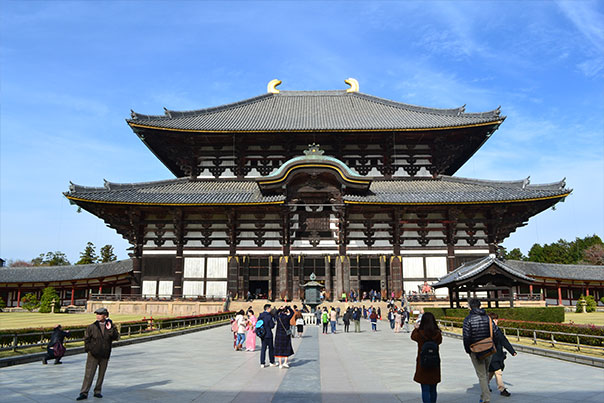
In the afternoon, we traveled to Nara Park, where friendly deer roam freely among visitors. Beyond the deer, the park’s open spaces and historic surroundings made it one of the most relaxing parts of our Kansai trip.

Day 5: Overnight Bus from Kansai to Tokyo
Instead of flying or taking another bullet train, we chose an overnight bus to Tokyo. While not luxurious, it was practical and budget-friendly, allowing us to save on a night’s accommodation.
By morning, we arrived in Tokyo ready to explore Japan’s bustling capital.
Day 6: Tokyo Disneyland
One full day was dedicated to Tokyo Disneyland, and it was worth it.
The park is exceptionally well-maintained, and the level of organization and customer service stood out. Even if you’ve visited other Disney parks before, Tokyo Disneyland has its own unique charm and atmosphere.
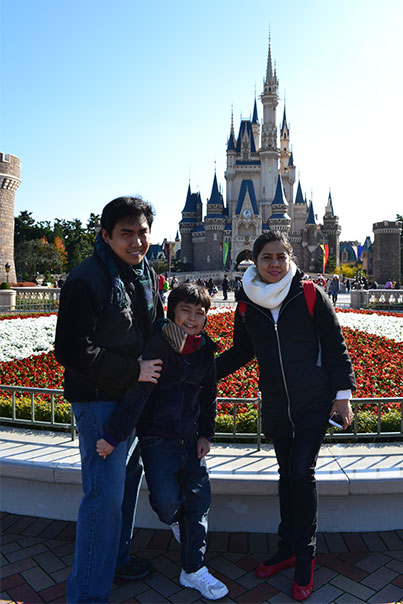
If this is your first time in Japan, dedicating a full day here provides a fun contrast to the temples and historic sites earlier in the trip.
Learn more about Tokyo Disneyland from its official website.
Day 7: Odaiba, Ueno Zoo, and Edo-Tokyo Museum
We spent our final day exploring Tokyo at a slower pace.
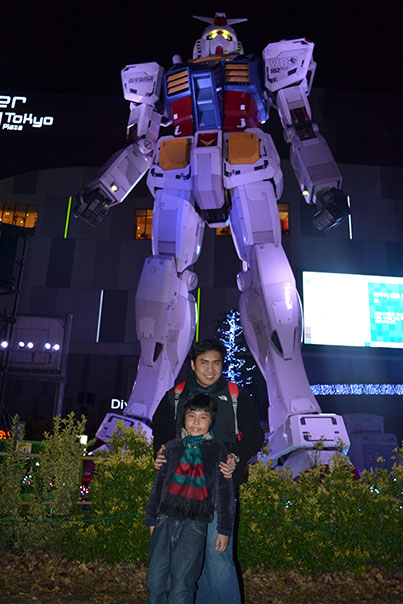
In Odaiba, we visited the life-size Gundam statue, an impressive sight even for non-anime fans. The surrounding area also offered great views of Tokyo Bay.

Later, we went to Ueno Zoo, where seeing the giant pandas was a highlight. We ended the trip at the Edo-Tokyo Museum, which helped put everything we experienced into historical context by showing how Tokyo evolved from the Edo period to the modern city it is today.

Why This 7-Day Japan Travel Plan Works for First-Time Visitors
Covers multiple regions without constant hotel changes
Balances history, culture, and entertainment
Includes both traditional and modern Japan
Uses efficient transportation options
Feels full, but not exhausting
For first-time travelers, this route offers a clear picture of what makes Japan unique.
Final Thoughts on Visiting Japan for the First Time
Japan can feel intimidating at first, especially with language differences and complex transportation systems. However, with thoughtful planning and a realistic itinerary, it becomes an incredibly rewarding destination.
This 7-day travel plan allowed us to experience Japan at a comfortable pace—one that left us wanting to return rather than feeling burnt out.
If you’re planning your first trip to Japan, this itinerary is a great starting point.
For reliable trip planning basics, including cultural etiquette, transport tips, and seasonal travel advice, visit the Japan National Tourism Organization travel planning guide.
You may also like:
21 Days in Europe Visiting 9 Countries: What No One Tells You
Bangkok Travel Guide 2026: 30 Best Tourist Spots You Can’t Miss
How Much Does a Kenya Safari Really Cost?