Seoul was one of those cities that rewarded us for slowing down.
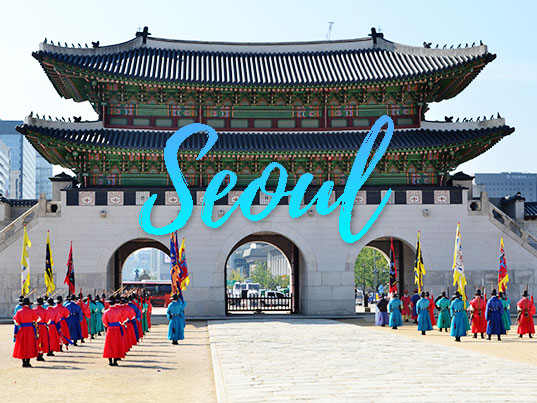
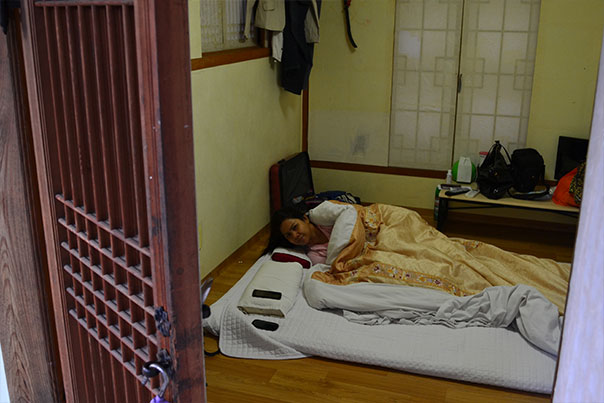
For this trip, we did something we normally don’t do—we spent extra to stay in a traditional hanok inside Bukchon Hanok Village. We usually book affordable hotels near metro stations, but for this 4-day Seoul itinerary, we wanted something deeper than convenience. We wanted immersion.
And honestly? It completely changed how we experienced Seoul.
This SEO-optimized Seoul 4-day itinerary is based on our actual route, pacing, and mistakes. It’s designed for first-timers who want history, culture, walkability, and K-drama vibes, not just a rushed checklist.
You’ll also find updated entrance fees, opening hours, closures, walking routes, and practical tips—with more depth and realism than most generic itineraries.
Why Stay in Bukchon Hanok Village?
Bukchon isn’t just a photo spot—it’s a living neighborhood.
By staying here:
We walked to major attractions instead of hopping on subways
Saved money on transportation
Started sightseeing early, before tour buses arrived
Experienced quiet mornings and evenings, tourists usually miss
The biggest lesson we learned:
👉 If you’re doing a palace-heavy itinerary, start north and walk south.
That single decision made Day 1 smooth, logical, and surprisingly relaxing.
Important Travel Notes Before You Go
Traffic gets brutal during peak hours (7–9 AM, 5–8 PM)
Mondays & Tuesdays matter – many palaces close on specific days
Wear good walking shoes (this is a walking itinerary)
Buy a T-money card even if you plan to walk a lot
Day 1: Hanok Living, Palaces & Old Seoul
Theme: Joseon history, temples, markets, and stream walks
Pace: Easy to moderate
Transportation: 90% walking
Morning: Bukchon Hanok Village (Where We Stayed)
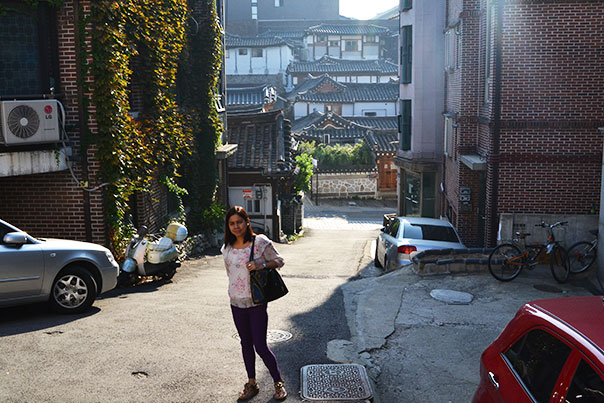
Waking up inside Bukchon was a highlight on its own. Before the crowds arrived, the alleys were quiet, the tiled rooftops glowed in the morning light, and Seoul felt almost frozen in time.
Take 30–45 minutes to walk around before 9 AM—that’s when Bukchon feels magical instead of crowded.
Cheongwadae (The Blue House)
📍 15–20 minute walk north from Bukchon
💰 Free admission (reservation required)
🕘 9:00 AM – 6:00 PM
❌ Closed Mondays
Once off-limits, the former presidential residence is now open to the public. The grounds are spacious, peaceful, and surprisingly scenic.
This was a great first stop—uncrowded, calm, and historically significant.
Gyeongbokgung Palace & National Folk Museum
📍 Walk south from Blue House
💰 3,000 KRW (2 USD)
🕘 9:00 AM – 6:00 PM (last entry ~5:00 PM)
❌ Closed Tuesdays
This is Seoul’s most iconic palace—and yes, it lives up to the hype.
Check out the Royal Palaces and Tombs Center official tourism website for more details
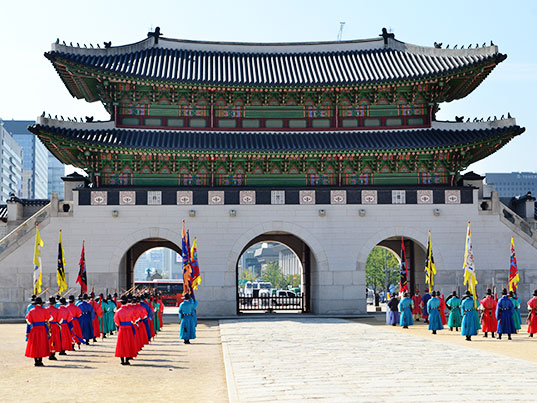
Don’t miss:
Changing of the Royal Guard – 10:00 AM
Hyangwonjeong Pavilion (small palace by the stream at the back)
National Folk Museum (included in ticket)
We bought the unlimited palace pass because we’re huge fans of K-dramas and Joseon-era scenes. If you plan to visit multiple palaces (which you should), it’s absolutely worth it.
Gwanghwamun Square
📍 Right outside Gyeongbokgung
💰 Free | Open all day

Stop by the King Sejong and Admiral Yi Sun-sin statues. It’s a quick visit, but historically meaningful—and a good reset point before lunch.
Jogyesa Temple
💰 Free
🕘 Open year-round
Jogyesa was quieter than expected and provided a calm contrast to the palace crowds. Even if you’re not into temples, this one feels grounding.
Lunch: Insadong
We wandered through Insadong and had lunch here. Yes, it’s touristy—but for traditional food, souvenirs, and a relaxed mid-day break, it works well.
Cheonggyecheon Stream
📍 Walk south from Insadong
💰 Free | Open 24 hours

This stream walk was one of our favorite moments of the day. It’s peaceful, flat, and gives your legs a break after palace walking.
Myeongdong (Late Afternoon to Evening)
Things we did in Myeongdong:
Checked out traditional clothes at Seoul Global Cultural Center (M Plaza, 5th floor – free experience)
Walked through street food stalls
Visited Myeongdong Cathedral
Quick stop at Namdaemun Market

Sungnyemun Gate (Namdaemun)
💰 Free | Exterior viewing
A short stop, but meaningful—it’s Korea’s oldest wooden gate.
Culture Station Seoul 284
💰 Free
🕘 Usually 11:00 AM – 7:00 PM
❌ Closed Mondays
We ended Day 1 here. A quiet, underrated cultural stop inside the old Seoul Station building.
Day 1 verdict: Long, but incredibly satisfying—and mostly walkable.
Day 2: Secret Gardens, War History & City Views
Theme: Royal retreats & modern Seoul
Transportation: Mix of walking & subway
Changdeokgung Palace & Secret Garden
💰 Palace: 3,000 KRW (2 USD) | Secret Garden tour: 5,000 KRW (3 USD)
🕘 9:00 AM – 5:30 PM
❌ Closed Mondays

This was our favorite palace.
The Secret Garden (Huwon) felt cinematic, peaceful, and less grand—but more emotional—than Gyeongbokgung.
⚠️ Secret Garden requires guided tour with timed entry. Book early.
Changgyeonggung Palace
💰 1,000 KRW (0.70 USD)
🕘 9:00 AM – 9:00 PM
❌ Closed Mondays
Smaller, quieter, and beautifully connected to Changdeokgung.
Lunch (Near City Hall / Jongno)
We kept lunch simple to save energy for the afternoon.
Deoksugung Palace
💰 1,000 KRW (0.70 USD)
🕘 9:00 AM – 9:00 PM
❌ Closed Mondays

The mix of Western-style buildings and Korean architecture made this palace unique.
War Memorial of Korea
💰 Free
🕘 9:30 AM – 6:00 PM
❌ Closed Mondays

Emotionally heavy but important. Even a short visit adds depth to your understanding of modern Korea.
N Seoul Tower (Evening Snack Stop)
💰 Observatory: ~21,000 KRW (14.5 USD)
🕘 10:00 AM – 11:00 PM

We didn’t linger long—just snacks and views. Crowded but still worth it once.
Check out the official website of N Seoul Tower for more details.
Day 3: Shrines, Modern Seoul & Unexpected Parks
Theme: Lesser-known history + family-friendly surprises
Unhyeongung Palace
💰 Free
🕘 9:00 AM – 6:00 PM
❌ Closed Mondays
Small, peaceful, and often overlooked.
Jongmyo Shrine
💰 1,000 KRW (0.70 USD)
🕘 9:00 AM – 6:00 PM
❌ Closed Tuesdays
Deeply symbolic and solemn. This felt very different from the palaces.
Heunginjimun (Dongdaemun Gate)
💰 Free | Exterior viewing
Quick stop before heading to modern Seoul.
Dongdaemun Design Plaza (DDP)
💰 Free
🕘 Varies by exhibit

Architecturally impressive—even if you don’t go inside.
Lunch (Dongdaemun Area)
Seoul Children’s Grand Park
💰 Free entry (rides extra)
🕘 5:00 AM – 10:00 PM

This was unexpected—and fun. Polar bears, camel rides, and a relaxed local vibe.
Namsan Floating Island (Evening)
A quiet, scenic end to a busy day.
Day 4: Sunday in Seoul & Goodbye
Yoido Full Gospel Church
⏰ 10:30 AM Sunday Service

This church was once recognized as the world’s largest church by the Guinness World Book of Records in the 90s.
Yeouido Hangang Park
💰 Free
Locals biking, families picnicking, river views—this is Seoul at rest.
Lunch & Return to Hanok
Final packing, reflections, and airport prep.
Is This the Best Seoul 4-Day Itinerary?
For first-timers who value culture over speed, yes.
This itinerary:
Maximizes walkability
Reduces transport stress
Focuses on history, not hype
Feels immersive, not rushed
Staying in Bukchon Hanok Village was the single best decision we made.
If you only have four days in Seoul, this itinerary won’t show you everything—but it will help you understand the city.
And that’s far better than just seeing it.
Frequently Asked Questions About Our Seoul 4-Day Itinerary
Yes, 4 days in Seoul is enough for first-time visitors to see the main highlights without rushing. A well-planned Seoul 4-day itinerary allows you to visit royal palaces, traditional neighborhoods, markets, temples, and modern districts while still having time to walk and explore. While it’s not enough to see everything, it’s perfect for understanding Seoul’s culture and layout.
For first-time visitors, Bukchon Hanok Village, Myeongdong, and Jongno are the best areas to stay. We chose Bukchon Hanok Village because it’s walkable to major attractions like Gyeongbokgung Palace, Insadong, and Jogyesa Temple. Staying here reduced travel time and made our Seoul 4-day itinerary more relaxed and immersive.
Yes, staying in a hanok in Bukchon Hanok Village is worth it if you want a cultural experience. While it’s more expensive than budget hotels, it offers quiet mornings, historic surroundings, and easy walking access to palaces and traditional areas. For a short trip like a Seoul 4-day itinerary, the experience adds depth that hotels near subway stations can’t match.
The best walking route is north to south. Starting from Bukchon Hanok Village or Cheongwadae (Blue House), then walking down to Gyeongbokgung Palace, Gwanghwamun Square, Jogyesa Temple, Insadong, and Cheonggyecheon Stream creates a logical flow. This route minimizes backtracking and saves both time and transportation costs.
Most Seoul palaces do not require advance ticket booking and can be purchased on-site. However, Changdeokgung Palace’s Secret Garden requires a timed, guided tour, and tickets can sell out quickly. If your Seoul 4-day itinerary includes the Secret Garden, it’s best to arrive early or book ahead when available.
No, palace entrance fees in Seoul are very affordable. Most palaces cost between 1,000–3,000 KRW, and wearing a traditional hanbok grants free entry. Visitors planning a Seoul 4-day itinerary that includes multiple palaces can also save money by purchasing a combination palace pass.
The best times to visit Seoul are spring (April–May) and autumn (September–October). These seasons offer comfortable temperatures, clear skies, and colorful scenery—perfect for walking-based itineraries. Summer can be hot and humid, while winter is cold but less crowded.
This Seoul 4-day itinerary involves moderate walking, especially on Day 1 and Day 2. Most attractions in central Seoul are close together, and walking actually saves time compared to taking the subway. Comfortable shoes are highly recommended, and rest stops like cafes and parks are easy to find.
Yes, Seoul’s public transportation system is efficient and beginner-friendly. Subways and buses are clean, reliable, and affordable. Using a T-money card makes travel seamless. Even with a walking-focused Seoul 4-day itinerary, public transport is useful for longer distances like Gangnam or Yeouido.
Yes, this itinerary can be done on a mid-range or budget-friendly plan. Palace fees are inexpensive, many attractions are free, and street food or local restaurants are affordable. The main splurge is staying in a hanok, which is optional—travelers can stay in nearby areas like Jongno or Myeongdong and still follow this itinerary.
Yes, Seoul is one of the safest major cities in Asia. Violent crime is rare, public transport is safe even at night, and tourist areas are well-policed. Normal travel precautions are enough, making Seoul a great destination for solo travelers, couples, and families.
You might also like:
21 Days in Europe Visiting 9 Countries: What No One Tells You
Your First Week in Japan: A Thoughtful 7-Day Travel Plan
Segovia from Madrid: The Perfect Day Trip
Bangkok Travel Guide 2026: 30 Best Tourist Spots You Can’t Miss
Vietnam vs Thailand: Which One Is REALLY Better for Your First Trip to Asia?